
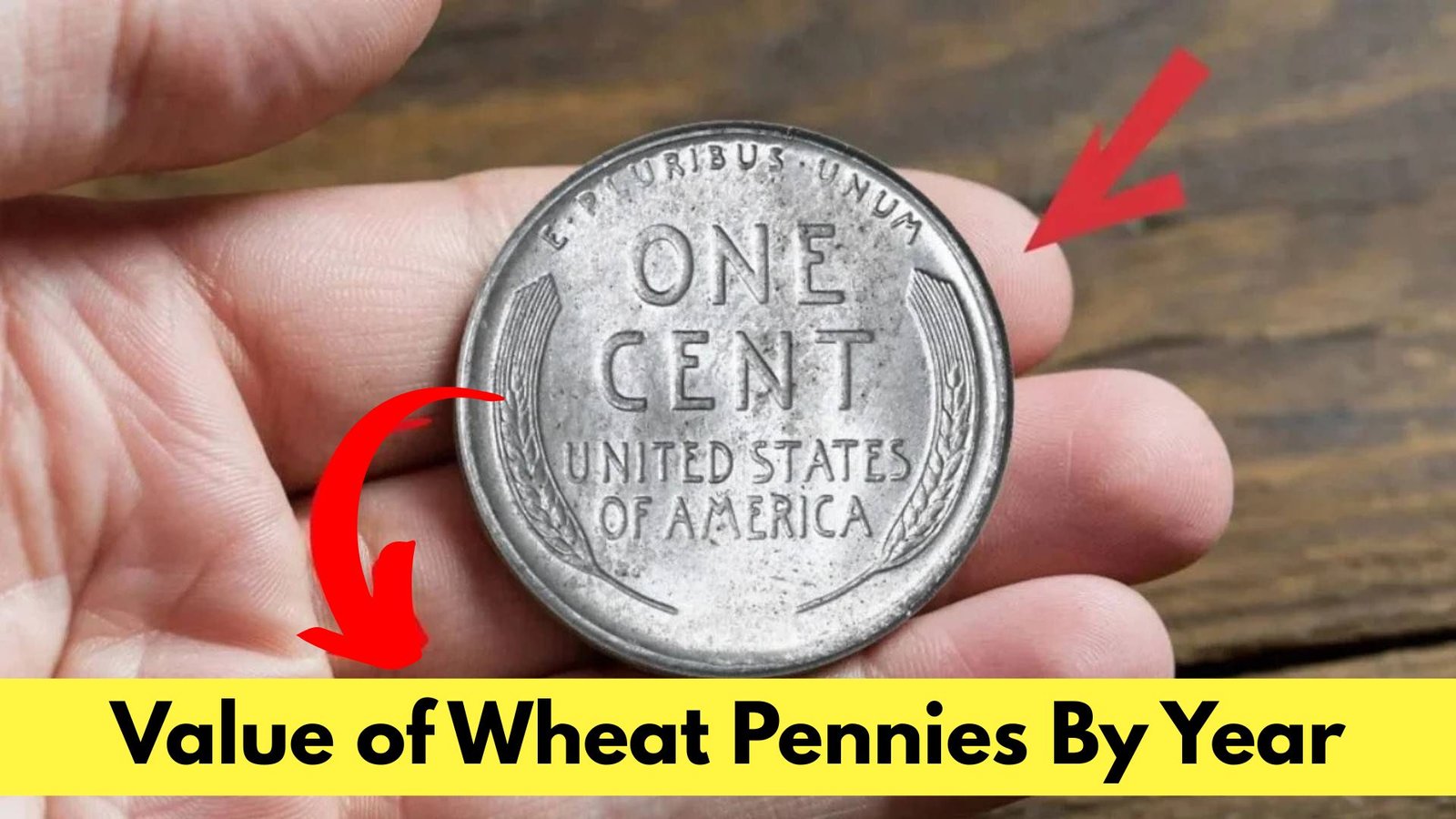
For most people, Wheat Pennies are just old copper coins sitting forgotten in jars or drawers. But for collectors, they’re a gateway to hidden fortune—each year holds mysteries, rare mint errors, and shocking values that can turn a penny into hundreds or even thousands of dollars. Let’s uncover how each year tells a different story, and which ones could make you rich.
What Are Wheat Pennies and Why Do They Matter?
Wheat Pennies, officially known as Lincoln Wheat Cents, were minted from 1909 to 1958. Their name comes from the two wheat stalks on the reverse side, symbolizing prosperity. They marked the first US coin to feature a real person—Abraham Lincoln—on the front. What began as a patriotic design became one of the most collected coins in US history.
The Hidden History Behind Wheat Pennies
Introduced to celebrate Lincoln’s 100th birthday in 1909, the Wheat Penny replaced the Indian Head Cent. The designer, Victor D. Brenner, added his initials (V.D.B.), sparking public controversy and limited production of the 1909-S VDB version—today one of the rarest coins. During wartime, the composition changed, with the 1943 steel cent standing out as one of the most famous “mistakes” in US Mint history.
Why Wheat Pennies Are Valuable Today
Several factors determine the value of Wheat Pennies—rarity, condition, mint mark, and errors. Some pennies minted in small numbers or with special variations are incredibly sought after. Even a simple 1940s penny can fetch a surprising price if it’s in pristine condition or bears an unusual minting error.
Wheat Penny Values by Year (Most Valuable Editions)
| Year | Mint Mark | Notable Variety | Estimated Value (High Grade) |
|---|---|---|---|
| 1909-S VDB | San Francisco | Designer initials version | $700 – $2,000+ |
| 1914-D | Denver | Low mintage | $300 – $5,500+ |
| 1922 No D | Denver | Missing mint mark error | $1,000 – $6,000+ |
| 1931-S | San Francisco | Low production year | $150 – $500+ |
| 1943 Copper | Philadelphia | Struck on bronze planchet | $100,000 – $250,000+ |
| 1944 Steel | Multiple | Wrong metal composition | $40,000 – $200,000+ |
| 1955 Doubled Die | Philadelphia | Double lettering error | $1,000 – $15,000+ |
| 1958 Doubled Die | Philadelphia | Extremely rare error | $100,000+ |
Comparing Common vs Rare Wheat Pennies
| Type | Description | Average Value | Collector Demand |
|---|---|---|---|
| Common Wheat Penny | 1940s–1950s circulation | 5¢ – $1 | Moderate |
| Semi-Rare (Low Mintage) | 1911-D, 1924-D, 1931-S | $10 – $300 | High |
| Rare Error Coins | 1943 Copper, 1955 Doubled Die | $1,000+ | Extremely High |
Insider Tips for Collectors
1. Look for Mint Marks: Coins from San Francisco (S) and Denver (D) mints are often more valuable due to lower production.
2. Condition is Everything: Coins in MS-60 or higher grades can be worth 10x their circulated value.
3. Watch for Errors: Misprints like double dies or missing mint marks can boost a penny’s value exponentially.
4. Store Properly: Keep your Wheat Pennies in dry, air-tight containers to prevent oxidation.
5. Get Certified: Grading by professional services like PCGS or NGC can authenticate your coin’s true worth.
Fun Facts About Wheat Pennies
- The 1943 Copper Penny is one of the most famous error coins ever made—less than 30 are known to exist.
- Collectors have spent over $1 million for a single Wheat Penny in pristine condition.
- The coin’s reverse wheat design was replaced in 1959 with the Lincoln Memorial, marking the end of an era.
FAQs About Wheat Penny Values
Q: Are all Wheat Pennies valuable?
A: Not all, but nearly every Wheat Penny is worth more than face value, and certain years can be worth thousands.
Q: How can I find the value of my coin?
A: Check year, mint mark, and condition. Online coin value charts or professional grading services can help.
Q: Can I still find Wheat Pennies in circulation?
A: Rarely—but many turn up in inherited collections, old jars, or estate sales.
Q: What makes the 1909-S VDB so special?
A: It was the first Lincoln cent and had limited production due to public backlash over the designer’s initials.
Conclusion: Small Coins, Big Rewards
Every Wheat Penny holds a piece of history—and for some, a small fortune. Whether it’s the mysterious 1943 Copper Cent or the classic 1909-S VDB, these coins remind us that even the tiniest treasures can carry immense value. So, before you dismiss that old penny, take a closer look—you might be holding history worth a fortune.